
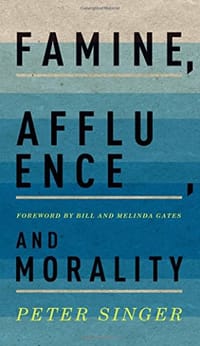
书籍介绍
这本薄薄的小册子之所以在伦理学领域经久不衰,并非因其论证无懈可击——恰恰相反,读者们反复
AI导读
核心看点
- 本书核心论证基于‘溺水儿童’思想实验,指出若我们能以微小代价阻止严重苦难,却因不愿弄脏鞋子而袖手旁观,这在道德上等同于见死不救。作者主张地理距离不应成为削弱道德义务的理由,我们对远方陌生人的责任与对身边人的责任在本质上是一致的,任何推脱都是虚伪的。
- 作者严格区分了‘慈善’与‘义务’的界限,认为传统观念中认为帮助穷人是高尚但非强制的观点是错误的。只要我们有能力防止极坏的事情发生,且无需牺牲同等道德重要性的事物,我们就有绝对的道德义务去行动。这种极端立场挑战了西方社会对贫困问题的冷漠态度,呼吁彻底重构个人消费与全球正义的关系。
- 书中深入探讨了功利主义伦理学在极端贫困问题上的应用,强调所有生命具有同等价值。尽管这一观点在学界引发巨大争议,被批评为过于简化或忽视制度性因素,但其逻辑的严密性与一致性使其成为应用伦理学的基石文献,持续迫使读者反思自身生活方式的道德合法性及全球资源分配的正义性。
读者共识
- 读者普遍认可作者论证的逻辑简洁性与冲击力,承认其作为应用伦理学经典文献的地位,并敬佩作者知行合一的实践精神。尽管许多人不同意其极端的功利主义预设,认为其忽视了制度性责任、父母优先义务及政治复杂性,但仍承认该文章在唤醒公众对全球贫困关注方面的巨大历史贡献和警示意义。
- 多数读者认为该书的道德要求过于严苛且反直觉,甚至感到被冒犯或压力巨大。评论中常见对‘溺水儿童’类比的不满,认为其忽略了跨国援助的实际效果、腐败风险及信息鸿沟。读者共识在于,虽然个人有行善义务,但将贫困问题完全归咎于个人道德缺失是片面的,且这种极端立场可能导致道德疲劳而非实际改变。
- 读者普遍认为该书适合作为哲学课堂的讨论材料,以激发关于道德边界、义务性质及功利主义局限性的辩论。尽管其具体结论备受争议,但书中提出的核心问题——‘我们是否应对远方陌生人的苦难负责’——被广泛认为是现代社会无法回避的伦理难题。读者建议在批判其论证漏洞的同时,反思自身在资源分配中的角色,寻求更平衡的道德立场。
精彩摘录
- "这有点像陀思妥耶夫斯基《卡拉马佐夫兄弟》里的一位阔太太,她说她“很爱人类”,但对身边的人却不容易爱得起来。的确,有些知识分子爱的似乎是抽象的人,而不是具体的人,而且希望给人类造就一个尘世的天堂,为此他们也容易主张激烈、快捷的手段和集体行动。但他们的爱似乎不是我们常常在普通人那里见到的关爱。当然,我说的这些人和慈善的远近还不一样,或者说是把“远”推到了一个“全”的极端。"
- "对于愿意深入思考也不背离常识的人们来说,的确应该考虑到损害生命的贫困的各种因果与救助行为的长久效果。无论慈善者还是受难者都不是孤立的个人,所有的人都是生活在一种关系之中的。他们生活在一个政治社会中,也生活在一个家庭之中,或至少是来自一对父母。那些贫困的儿童不是没有父母的,他们的父母为他们做了些什么?他们所处的社会和政府又为他们做了些什么?所有的人对自己的同类的痛苦都有一种关心的救助的义务。但父母对孩子的责任应超过不是他们父母的人,本国政府对本国人民的责任也应当超过其他国家的政府。社会条件对家庭的制约性不能完全抹杀前一点,当今世界的趋于全球化也不能完全抹杀后一点。如果我们不考虑这些情况,不做出某"
- "18世纪德国哲学家伊曼努尔·康德的追随者会赞同这一观点。他们认为,当且仅当某一行动是出于一种义务感时,它才具有道德价值。在他们看来,如果你做某些事仅仅是因为享受做它的过程,或者是享受看到做这件事所产生的结果,这样的行动并不具有道德价值。因为如果你碰巧不喜欢做某件事,你就不会做它,而且,你不对你的好恶负责,而是要对遵从义务的要求负责。"
用户评论
字大行宽。重点还是第一篇辛格的成名作,基于普遍性与准功利的原理(特别是moderate version)简洁推断。非常有意思的是作者的功利主义达到强有力的援助义务,而不涉及尊严这样的通常道德术语。
本科哲学课就写了一篇给Singer挑刺的paper,很惭愧。这个理论的简洁性是导致读者们下意识从各个角度去攻击他的主要原因。但简洁并不意味着简单,越是精简的论证便越需要读者长期的实践和反思。蒙上眼睛堵住耳朵再把一切归咎于“理想化”并不是Singer论证本身的错误
Sound arguments // a few things to consider: counter arguments to Singer being “a consumer based economy doesn’t hold still under this way of living”, or what’s the scale that we need to sacrifice, or is being “in” the system but giving necessarily superior// still a provocative thought and questions the materialistic way of living
We have a responsibility to prevent bad things from happening unless in doing so we would be sacrificing something of comparable moral significance. If we don’t do it, then we should at least know that we are failing to live a morally decent life.
去年读的必修,今年有幸听作者本人的讲座,来补个分
1. 我认为,将在池塘中救起一名溺水儿童的行为与帮助非洲营养不良儿童的行为直接相提并论是不公平的。这是因为非洲的信息鸿沟可能会阻碍我们看到援助的真实信息和后果。此外,作者也没有考虑到慈善组织内部可能存在的腐败和官僚主义。即使我们捐出 100 美元,实际到达非洲儿童可能只 1 美元。因此,考虑到救助溺水儿童直接实际效果,以及援助非洲工作不确定性,推断出帮助溺水儿童等同于直接帮助非洲人是不恰当的。
2. 2. 我个人认为,过分赞扬华尔街亿万富翁的财富和慈善事业,可能会抑制普通人参与捐 款的热情。例如,当我把自己有限的捐款能力与华尔街富豪的巨额捐款相比较时,就会打击积极性,自覺捐款微不足道。这种感觉确实会打击我捐款的积极性。重要的是,在肯定慈善工作的同时,要保持平衡,不能无意中削弱普通人的贡献。
Oxford University Press的其他书籍查看全部
 The Oxford Handbook of Experimental Syntax (Oxford Handbooks)
 The Fasces
 The Primacy of Doubt
 Landscape and Space
 Future Morality
 Figurines
求书
收藏