

书籍介绍
这并非一部关于理想与革命的颂歌,而是一场冷峻的自我解剖。昆德拉把手术刀探进一个年轻诗人的内心,揭示出抒情如何被用来粉饰怯懦、崇高怎样为猥琐搭桥。雅罗米尔追求光荣与理想,却始终未曾真正断奶——他在母亲的掌控与体制的收编之间,一边逃离,一边享受控制他人的快感。读者最感不适的,正是这种以高尚动机包装卑劣的普遍性:我们或许都曾在自我憎恶中,把怯弱美化为文学的垫脚石。它适合那些不愿被激情话术打动、而想直面人性幽暗的人。读它像被冰冷的匕首划过,不舒服,却诚实。
作者简介
The Franco-Czech novelist Milan Kundera was born in Brno and has lived in France, his second homeland, since 1975. He is the author of the novels The Joke, Farewell Waltz, Life Is Elsewhere, The Book of Laughter and Forgetting, The Unbearable Lightness of Being, and Immortality, and the short-story collection Laughable Loves—all originally written in Czech. His most recent novels Slowness, Identity, and Ignorance, as well as his nonfiction works The Art of the Novel, Testaments Betrayed, The Curtain, and Encounter, were originally written in French.
The Franco-Czech novelist Milan Kundera was born in Brno and has lived in France, his second homeland, for more than twenty years.
He is the author of the novels The Joke, Life Is Elsewhere, The Farewell Party, The Books of Laughter and Forgetting, The Unbearable Lightness of Being, and Immortality, and the short story collection Laughable Loves — all originally written in Czech.
Like Slowness, his two earlier nonfiction works, The Art of the Novel and Testaments Betrayed, were originally written in French.
Biography
For someone whom the world regards as a serious intellectual, Milan Kundera has a brilliantly twisted sense of humor. His novels depict a world of awkward orgies and disastrous pool parties, mad scientists and self-pitying poets who contract pneumonia out of spite. While Kundera's works tackle profound issues of human identity, they also playfully juggle ambiguities, ironies and paradoxes. "The novelist teaches the reader to comprehend the world as a question," he said in a 1980 interview with Philip Roth. "There is wisdom and tolerance in that attitude. In a world built on sacrosanct certainties the novel is dead."
Kundera was born in Brno, Czechoslovkia in 1929. Like many young Czechs who had come of age during World War II and the German occupation, Kundera was attracted to Marxist philosophy, which seemed to promise a new freedom and peace. The first literary works he produced (three volumes of poetry and a play, The Owners of the Keys) were essentially Communist propaganda, though they didn't always conform to the tenets of socialist realism approved by the state. His resistance to the official restrictions on literature helped lead to his involvement with the "Prague Spring," the brief-lived reform movement toward "socialism with a human face."
During the '60s, Kundera began writing short stories, collected as Laughable Loves, which he would later identify as the beginning of his mature work. In several of them, jokes that start out as innocent pranks evolve into catastrophes for both perpetrator and victim -- they are deeds that, like the Czech version of Communism, have escaped the control of their creators. Kundera's first novel, The Joke, concerns a young man who is brought up on political charges after sending a teasing postcard to his girlfriend ("Optimism is the opium of the people!").
The Joke was published to wide acclaim shortly before the Soviet invasion of Czechoslovakia in 1968. Following the invasion, Kundera was ousted from his film-studies teaching job, his books were pulled from libraries and bookstores, and he was forbidden to publish new work. He went on writing, however, and his novels Life Is Elsewhere and The Farewell Party were published outside his native country. Farcical and bleak, the novels developed what would become a recurring theme for Kundera, in which commitment to an abstract moral principle paves the way for corruption and evil.
In 1975, Kundera fled Czechoslovakia and settled in France, where he eventually became a citizen. His first book produced in exile, The Book of Laughter and Forgetting, remains one of his most celebrated works, weaving together autobiographical reflections with a series of connected fictions. John Updike, writing in the New York Times, called it "brilliant and original, written with a purity and wit that invite us directly in; it is also strange, with a strangeness that locks us out." His next novel, The Unbearable Lightness of Being, also drew high praise, and the 1988 film version of The Unbearable Lightness of Being starring Daniel Day-Lewis and Juliette Binoche turned Kundera into something of a celebrity.
Despite (or perhaps because of) the political pressures that shaped his early life and works, Kundera has long insisted that the novel should be a work of art, not a political or ideological statement. By the '90s, Kundera had started to write his novels in French; he is now sometimes tagged a "Franco-Czech" author. His works are often described as "novels of ideas," but he resists the term "philosophical novel." As he said in an interview with Lois Oppenheim, "There are metaphysical problems, problems of human existence, that philosophy has never known how to grasp in all their concreteness and that only the novel can seize."
AI导读
核心看点
- 讽刺青春与革命,解构诗歌神圣性
- 剖析病态母子关系与诗人虚荣心
- 揭示抒情如何成为暴力的帮凶
读者共识
- 文笔犀利,对人性弱点洞察深刻
- 主角令人不适,但极具现实警示意义
- 昆德拉作品中讽刺意味最强的一部
精彩摘录
- "两个人彼此靠近总需要超越某种相异性,而拥抱的一瞬之所以醉人就因为它只能是一瞬的时间。"
- "1.也许你会认为你诗作中某个充满魅力的场景或形象是你理性推理的结果?根本不是:它只是突然出现在你的脑海中的,突然,出乎你的意料,这形象的创造者不是你,而是存在于你之中的某个人,某个在你的内部写诗的人,是我们每个人都会体验到的无所不能的意识流,如果说这意识流选择了你作为表达的小提琴,这并不是你的才能,因为在这意识流中我们所有人都是平等的。 2. 这怎么可能呢?到处都在说青春是一生中最丰富的时期。那么这份虚无,这份实实在在的生命的浪费又是从何而来?这空虚又是从何而来? 3.温情只有当我们已届成年,满怀恐惧的回想起种种我们在童年时不可能意识到的童年的好处时才能存在 温情,是成年带给我们的恐惧 4.人"
- "她就像一个旅者,面对着眼前无限美丽的风景却已疲惫之至实在无法欣赏;这爱没能让她感到一丝的愉悦,但是她知道这爱是伟大的,不应该失去。"
- "“最糟糕的不在于这个世界不够自由,而是在于人类已经忘记自由。”"
- "她想到艺术家的爱也许完全是出于误会,她老问他为什么爱她。他总是回答,他爱她就像拳击手爱蝴蝶,歌唱家爱沉默,恶徒爱村姑。他总是说,他爱她一如屠夫爱小牛胆怯的眼睛,闪电爱宁静质朴的屋顶。"
- "我国读者对于东欧文学也许并不算太陌生。早在半个世纪前,鲁迅先生及其同人就对这块与我们相似土壤上的文学尤为关注,并在《小说月报》的《被损害民族的文学号》上作了大量翻译介绍。裴多菲,显克微支,密茨凯维奇,哈谢克,恰佩克这些东欧作家的作品在过去岁月也早巳成为我们精神上的良师益友。这里还不算出生在布拉格的现代派文学的两位大师卡夫卡和里尔克,他们尽管属于德语系统,但无疑却是东欧这片土地上生长出来的,是这片土地培养了他们最初的文学情愫。然而时过境迁,这十年来我们在向世界文学的开放过程中,对当代东欧文学的介绍和研究相对来说却冷落了不少。这里的个中原因固然很多,但有一点似乎是可以肯定的,那就是当代一些东欧作家"
- "人只有完全处于他人之中时才开始成为完全的自己。"
- "只有当一个人上了年纪,他才可能对身边的人,对公众,对未来无所顾忌。他只和即将来临的死神朝夕相伴,而死神既没有眼睛也没有耳朵,他用不着讨好死神;他可以说他喜欢说的东西,做他喜欢做的事。"
用户评论
重读一遍 这次英文版 今天翻开又是会心的笑…
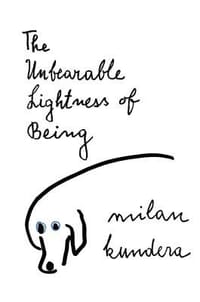
英文版封面真好看
太对胃口了!
读的好桑心
subtle feelings and emotions are precisely and cruelly caught by the author. as what i see, more brilliant than laughable love and unbearable lightness of beings.
Everything is in order
有Dostoevsky的The Double的影子,也有一点像Milosz的The Captive Mind。书中一直在突出“真实”与“虚假“、”幻想”与“行动”的二元对立。Jeromil是空虚的,仰仗主流思想写出的诗歌是他的面具,无力且虚假——成为诗人是为了满足母亲,他的修辞源于画家。他的外貌和双重人格与他而言是供他人和自己审视的面具。故事的时代背景也很有趣,Milosz也写过诗人们与”新信仰“的关系;Jeromil是被囚禁在自己世界里的孩子,而别人是行动的成年人;画家因不屈服历史潮流成为工人,诗人留在了诗歌“自由”的世界中,他渴望行动却被内心禁锢,于是“新信仰”给予了诗人行动的假像。结尾强调了画家与诗人 - 真实的反抗与虚假的行动 - 之间的冲突;双重人格的再现,也预示了诗人的自我灭亡。
一个不懂得自省,没有悲悯之心的“诗人”在适当的社会条件下会变成最糟糕的小粉红。补:目前听完《告别圆舞曲》、《笑忘录》、《生活在别处》的中文有声书,感谢译文。
關於自命不凡的年輕人
2021年初往返Boston的途中断续听完,Kundera的文字在残雪里像苍白的火焰。
Harpercollins的其他书籍查看全部
 Imponderables
 Imponderables
 But Enough About Me
 Radical Collaboration
 Do You Love Football?!
 The Silent Service
下载
收藏